
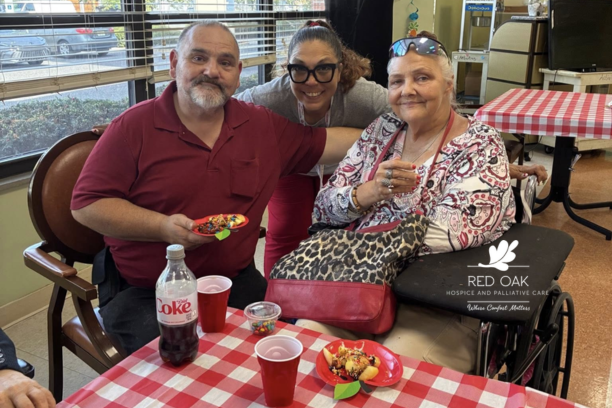
Yes, hospice care can be provided directly within a nursing facility, allowing residents to receive specialized end-of-life support without moving. While the nursing home continues to provide room, board, and daily custodial care, a separate hospice team arrives on-site to manage pain, symptoms, and emotional needs. This collaborative approach ensures that the patient remains in a familiar environment while benefiting from a higher level of clinical and spiritual attention.
The Partnership Between Nursing Homes and Hospice
Many families worry that choosing hospice requires a traumatic move to a hospital or a dedicated inpatient center. In reality, for those already residing in a skilled nursing facility, the facility simply becomes the “site of care.” The hospice agency and the nursing home enter into a professional contract to co-manage the resident’s well-being. This partnership wraps a specific layer of clinical expertise around the individual, ensuring that their physical and spiritual needs are met by a team of visiting experts.
When considering hospice care in Bridgeton, NJ, it is essential to look for providers who prioritize this seamless integration. A successful partnership means that the nursing home staff (who know the resident’s daily habits) and the hospice staff (who specialize in comfort) are in constant communication. This synergy prevents redundant treatments and ensures that the resident’s wishes are honored at every stage of their journey.
Comparing Nursing Home Care vs. Hospice Care
It is helpful to visualize how these two entities divide their responsibilities to provide a holistic experience.
| Feature | Nursing Facility Role | Hospice Agency Role |
| Primary Focus | Daily living, safety, and long-term custodial care. | Pain management, comfort, and quality of life. |
| Staffing | On-site nurses and aides for 24/7 basic needs. | Specialized hospice nurses, social workers, and chaplains. |
| Room & Board | Provides the room, meals, and laundry services. | Not covered (unless specific Medicare criteria are met). |
| Medications | Manages chronic medications (e.g., for blood pressure). | Provides medications for pain or symptoms of the terminal illness. |
| End-of-Life Support | General bedside care. | Specialized bereavement and spiritual counseling. |
The Red Oak Philosophy: Our Secret Language of Care
At Red Oak, we do not view hospice as a clinical transaction; we view it as a sacred mission. Our proprietary approach is built upon a foundational belief system that guides every interaction. We believe in the strength of the individual, the significance of family and friends, and the value of respect and dignity that everyone deserves. Our goal in Red Oak is to create a positive difference every day and to create memorable moments that will enrich your life.
This philosophy dictates how we integrate with nursing facilities. While other providers may focus strictly on the medical chart, we focus on the person within the bed. By recognizing the strength of the individual, we empower patients to have a voice in their care. By valuing family and friends, we ensure that the support system is cared for just as much as the patient. This holistic mindset is particularly vital when providing palliative care in Bridgeton, NJ, where the sense of community and family ties are exceptionally strong.
How the Transition to Facility-Based Hospice Works
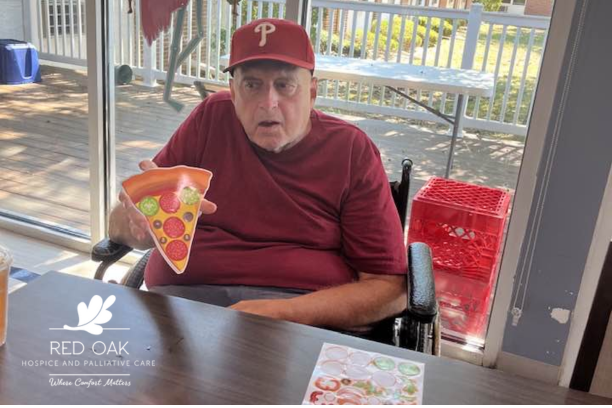
Transitioning to hospice while remaining in a nursing facility follows a structured, four-step process. This ensures that the patient receives the right care at the right time without any gaps in service.
- Physician Certification: Two doctors (usually the hospice medical director and the patient’s attending physician) must certify that the patient has a terminal illness with a life expectancy of six months or less.
- The Election of Benefits: The patient or their legal representative signs an election form. This moves the focus from “curative” care to “comfort” care.
- The Coordinated Care Plan: The hospice team meets with the nursing home’s clinical director to sync schedules. This ensures the hospice nurse’s visits complement the nursing home’s routine.
- Integrated Delivery: Medical equipment, such as specialized air mattresses or oxygen concentrators, is delivered directly to the resident’s room.
During a recent consultation for a family in the Sunset Lake neighborhood, we found that clarity during this transition is the number one factor in reducing family anxiety. Knowing that your loved one can stay in their familiar room while the experts come to them provides immense peace of mind.
Specialized Palliative Support
While hospice is for the end-of-life stage, many residents in nursing facilities benefit from palliative care in Bridgeton much earlier in their journey. Palliative care focuses on the quality of life for patients and their caregivers who are experiencing an advanced, life-limiting illness. Unlike hospice, palliative care can be provided alongside curative treatments.
The Red Oak team works closely with families, physicians, hospitals, and social service agencies to arrange for smooth and orderly transitions. Whether the goal is managing the side effects of intensive treatments or transitioning into the comfort-only focus of hospice, our team provides the clinical expertise needed to navigate complex symptoms. Our presence in the facility adds an extra layer of advocacy for the patient, ensuring their comfort is never compromised.
Common Misconception: “Choosing Hospice Means Giving Up”
One of the most damaging myths in the healthcare industry is the idea that electing hospice is “giving up” on a loved one. In reality, hospice is a proactive choice to trade aggressive, often painful interventions for a better quality of life. Choosing Bridgeton hospice care means choosing more “good days.” Instead of spending time in the back of an ambulance or in a sterile emergency room, the resident remains in the nursing facility, surrounded by familiar faces.
Hospice services provide compassionate care for patients in the last phases of incurable disease so that they may live as fully and comfortably as possible. It is not about the end of care; it is about the beginning of a different, more intensive kind of comfort. When we visit patients in the Cumberland Hill area, we see firsthand how this shift in focus allows families to stop being “medical managers” and start being sons, daughters, and spouses again.
The Impact of Local Expertise
Selecting a provider that understands the local landscape makes a significant difference in the speed of care. When a patient requires Bridgeton palliative care, they need a team that can respond quickly to a change in status. Because Red Oak is deeply embedded in the southern New Jersey community, our response times and coordination with local nursing facilities are streamlined.
Whether we are visiting a patient in a facility near the City Park neighborhood or coordinating with a hospital discharge planner, our local presence allows us to be a hands-on partner. We aren’t just a voice on the phone; we are a consistent presence at the bedside, ensuring that the dignity of the individual is preserved until the very last moment.
Frequently Asked Questions
Does Medicare cover hospice in a nursing home?
Yes, Medicare Part A covers hospice services. However, while Medicare covers the medical care, medications, and equipment provided by the hospice, it generally does not cover the “room and board” costs of the nursing home. These are typically covered by Medicaid or private funds.
Can I keep my own doctor if I start hospice in a facility?
Absolutely. You can choose to keep your primary attending physician to work alongside the hospice medical director.
How often will the hospice team visit the nursing home?
The frequency of visits depends on the patient’s needs. Typically, a hospice nurse visits 1–3 times a week, while hospice aides, social workers, and chaplains visit according to the personalized care plan.
What happens if a patient’s condition stabilizes?
If a patient improves or their condition stabilizes, they can be discharged from hospice care at any time and return to standard nursing home care. They can always re-elect the hospice benefit later if their condition changes.
To Sum Up
At Red Oak, we believe that every day is an opportunity to create a positive difference. If your loved one is currently in a nursing facility and you are beginning to notice a decline in their quality of life, it may be time to discuss the added support of hospice. Our team is dedicated to providing the respect and dignity that everyone deserves during their most vulnerable moments. Let us help you navigate this transition with grace. Contact us to learn more about our services or to speak with a care coordinator today.