
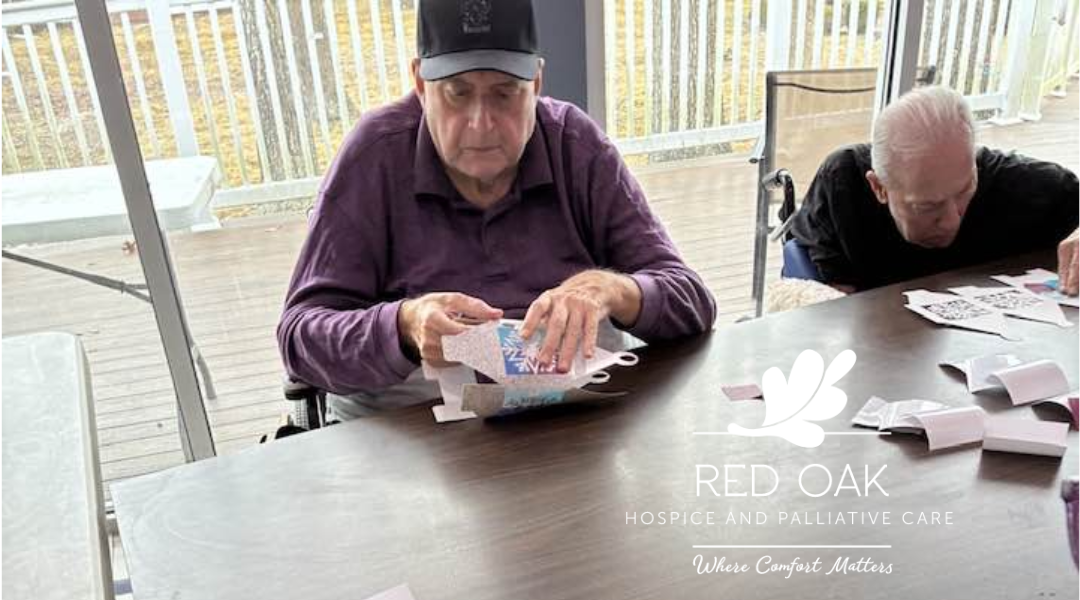
A palliative care service is specialized medical care for people with serious illnesses, focusing on providing relief from the symptoms and stress of the illness. The goal is to improve the quality of life for both the patient and their family, through a compassionate approach that doesn’t aim to cure but to comfort and ease suffering.
5 Key Elements of Palliative Care
- Pain and Symptom Management
- Relief from pain, nausea, fatigue, shortness of breath, and more.
- Personalized care plans based on the patient’s symptoms and needs.
- Emotional and Psychological Support
- Counseling for both patients and families.
- Coping strategies for the mental and emotional toll of serious illness.
- Advanced Care Planning
- Discussing and documenting preferences regarding future medical treatments.
- Creating a clear plan that aligns with the patient’s wishes.
- Holistic Approach
- Addresses not just the physical, but also the emotional, social, and spiritual aspects of care.
- Use of relaxation techniques, meditation, and other comfort measures.
- Care Coordination
- Collaboration with other healthcare providers (doctors, specialists, hospitals).
- Ensuring the patient’s care is seamless and comprehensive.
What is Palliative Care?
Palliative care is a specialized form of medical care aimed at enhancing the comfort and quality of life for individuals suffering from serious illnesses. Unlike curative treatments that focus on eliminating the illness, comprehensive care concentrates on relieving symptoms and providing holistic support. It can be provided alongside ongoing treatments for the illness or when curative treatment options are no longer effective.
This care is usually provided by our hospice care in Bridgeton, including doctors, nurses, social workers, and chaplains, all working together to create a personalized care plan for each patient. The focus is on relieving symptoms such as pain, nausea, fatigue, and anxiety, while also providing emotional, spiritual, and psychological support for both the patient and their family.
Managing Pain with Palliative Care
One of the core functions of comfort care is pain management. Patients with serious illnesses often experience varying levels of pain, which can significantly affect their ability to carry out everyday activities and enjoy their lives. Our Bridgeton palliative care utilizes a wide range of strategies to alleviate pain and discomfort:
Medications for Pain Relief
Pain management typically begins with medications. Depending on the severity of the pain, healthcare providers may recommend:
- Over-the-counter pain relievers like ibuprofen or acetaminophen.
- Prescription pain medications, including opioids like morphine, are carefully managed to avoid addiction while effectively relieving pain.
- Adjuvant medications, such as antidepressants or anticonvulsants, which can enhance pain relief, especially for nerve-related pain.
Non-Pharmacological Treatments
Our palliative care in Bridgeton, NJ, isn’t just about medication. It also includes non-pharmacological methods that can be incredibly effective in managing pain:
- Physical therapy: Helps patients maintain mobility and manage musculoskeletal pain.
- Massage therapy: Provides relaxation and relieves tension in muscles, which can be especially useful for those with chronic pain.
- Acupuncture: Offers a natural approach to pain management by stimulating specific points on the body to release endorphins and reduce pain.
- Mind-body techniques: Practices like guided imagery, meditation, and deep breathing exercises can reduce stress and alleviate pain.
Addressing Symptoms Beyond Pain
Pain is just one symptom that palliative care addresses. Many patients with serious illnesses suffer from a range of other distressing symptoms that affect their quality of life. Here are a few of the most common symptoms that comfort care helps manage:
Nausea and Vomiting
Nausea is a common issue for individuals with serious illnesses, particularly those undergoing chemotherapy or dealing with gastrointestinal problems. Supportive care teams can prescribe anti-nausea medications that help reduce these symptoms, allowing patients to eat and maintain their strength.
Fatigue
Chronic fatigue can be debilitating for people with conditions like cancer or heart disease. End-of-life care addresses fatigue by managing underlying causes, such as anemia or poor nutrition, and recommending strategies to conserve energy, like rest periods and light physical activity.
Shortness of Breath
For patients with conditions like lung disease or heart failure, shortness of breath can make everyday activities extremely challenging. Symptom management teams can offer treatments such as oxygen therapy or medications to ease breathing difficulties, as well as techniques like relaxation exercises to manage anxiety caused by breathlessness.
Depression and Anxiety
The emotional toll of dealing with a serious illness can lead to depression and anxiety. Comfort-focused care teams often include social workers and counselors who help patients cope with their emotions. By offering a compassionate ear and connecting patients to mental health resources, hospice and palliative Care in Bridgeton, NJ helps manage the emotional side of illness.
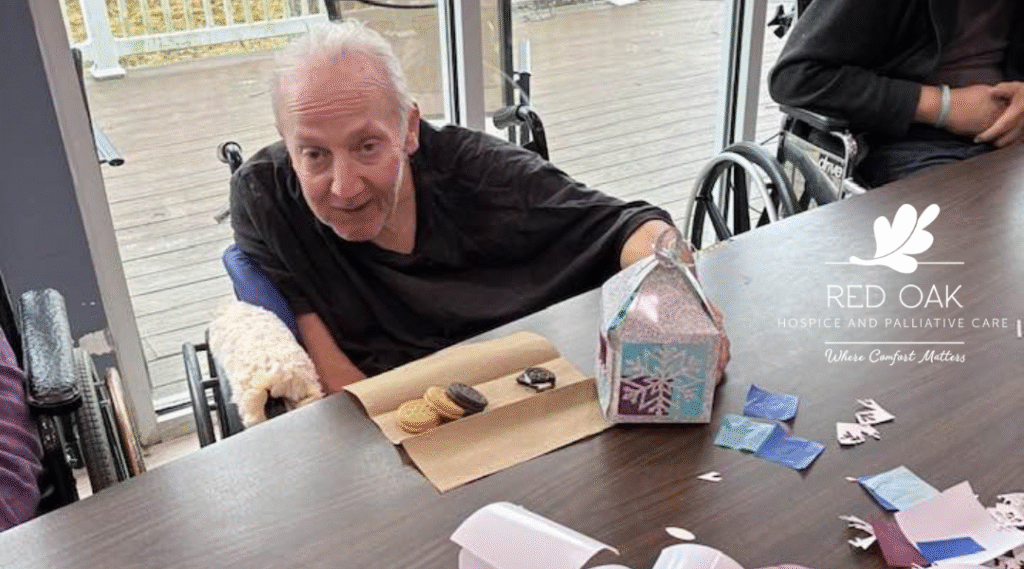
A Holistic Approach to Symptom Control
Palliative care provides a holistic approach to symptom management, meaning it treats the whole person, not just their physical symptoms. This includes:
- Spiritual support: Chaplains or spiritual care advisors can offer counseling and guidance, helping patients find peace and meaning during challenging times.
- Psychosocial support: Social workers assist with practical issues like navigating healthcare systems, coordinating care, and managing financial concerns. They also provide emotional support to patients and families.
- Family support: Comfort care teams understand that the patient’s illness affects the whole family. Support groups, counseling, and respite care can help family members cope with the stresses of caregiving.
The Importance of Personalized Care
Each patient’s experience with illness is unique, and so is their approach to managing symptoms. That’s why palliative care emphasizes personalized care plans. These plans are tailored to meet the individual needs and preferences of the patient, and can be adjusted as symptoms change over time.
A personalized care plan ensures that the patient receives the right combination of treatments and therapies to provide the most comfort. It also allows the patient and family to make decisions about their care that reflect their values and wishes.
How Palliative Care Improves Quality of Life
While comfort care is often associated with end-of-life care, it can be beneficial at any stage of a serious illness. The primary goal is to improve the quality of life, not just to manage symptoms. By addressing physical, emotional, and spiritual needs, Bridgeton hospice and palliative care helps patients live as comfortably and fully as possible, whether they are seeking curative treatment or focusing solely on comfort.
To Sum Up
If you or a loved one is facing a serious illness and struggling with pain and symptoms, comfort care can make a world of difference. At Red Oak Hospice and Palliative Care, we offer expert, compassionate care tailored to your individual needs. Whether you’re seeking pain management, emotional support, or help navigating the complexities of a serious illness, we’re here to help. Ready to learn more about how we can support you or your loved one? Contact us today for more information. We’re here to guide you every step of the way.
Frequently Asked Question
What is the main difference between hospice care and palliative care?
Both hospice and palliative care focus on comfort, but hospice care is for patients with a prognosis of six months or less to live, while comfort care can be provided at any stage of a serious illness.
Does palliative care help with managing symptoms of cancer?
Yes, palliative care is particularly beneficial for cancer patients, as it helps manage pain, nausea, fatigue, and emotional distress caused by both the illness and its treatments.
How can palliative care improve quality of life?
Palliative care improves quality of life by addressing physical pain, emotional distress, and spiritual needs, helping patients feel more comfortable and supported.
Can palliative care be received at home?
Yes, palliative care can be provided in the comfort of your own home, offering personalized care that supports both the patient and family.
How do I know if my loved one needs palliative care?
If your loved one is experiencing pain, discomfort, or emotional distress due to a serious illness, palliative care may be beneficial. Consult with a healthcare provider to discuss the best course of action.