
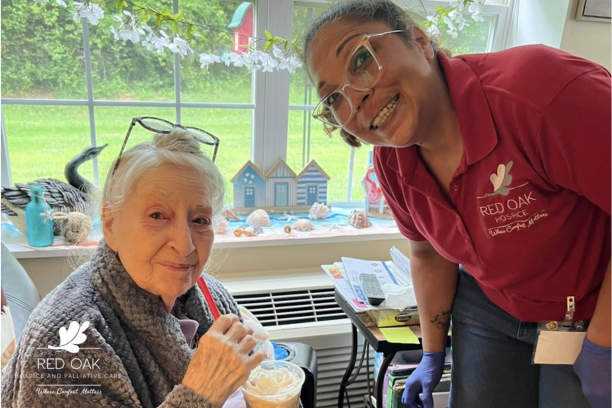
Hospice care manages pain and provides comfort through a specialized, interdisciplinary approach known as palliative symptom management, which prioritizes quality of life over curative measures. By integrating clinical medication protocols, personalized nursing, and emotional support, hospice teams ensure that patients with serious illnesses remain comfortable, dignified, and pain-free during their final chapters.
The Core Pillars of Physical Comfort
When a patient transitions into hospice, the clinical goal shifts from invasive interventions to comprehensive symptom relief. This transition is not about “giving up” on the patient; rather, it is a strategic pivot toward what matters most: dignity and peace. To achieve this, medical teams address “Total Pain”, a clinical concept recognizing that pain is a combination of physical, emotional, and spiritual distress. In the clinical landscape of hospice care in Bridgeton, professionals utilize a sophisticated mix of treatments to stabilize a patient’s condition and manage secondary symptoms like dyspnea (shortness of breath) or restlessness.
Comparison: Pharmacological vs. Non-Pharmacological Interventions
| Method Type | Common Interventions | Goal of Care |
| Pharmacological | Analgesics (opioid and non-opioid), anti-emetics, and steroids. | Rapid relief of acute physical pain, respiratory distress, and nausea. |
| Non-Pharmacological | Massage, strategic repositioning, and music therapy. | Reducing systemic anxiety and providing sensory comfort. |
5 Steps Hospice Teams Take to Alleviate Pain
To ensure an effective answer for families searching for help, it is vital to understand the standardized clinical protocol used by experts. When providing palliative care in Bridgeton, the process is highly structured to ensure no patient suffers unnecessarily.
- Baseline Assessment: A registered nurse performs an evaluation of pain levels using validated scales to determine if the pain is nerve, bone, or soft tissue-based.
- Customized Care Plan: The Medical Director prescribes a medication regimen tailored to the patient’s specific diagnosis and personal goals.
- Clinical Monitoring: Hospice nurses visit the home regularly to monitor the efficacy of the plan, adjusting dosages as the illness progresses.
- Caregiver Training: Family members are taught how to identify non-verbal signs of pain and how to administer “breakthrough” medications safely.
- Interdisciplinary Review: Every two weeks, the full team—doctors, nurses, and social workers—meets to review the patient’s status and update the comfort strategy.
Our Philosophy: The Red Oak Difference
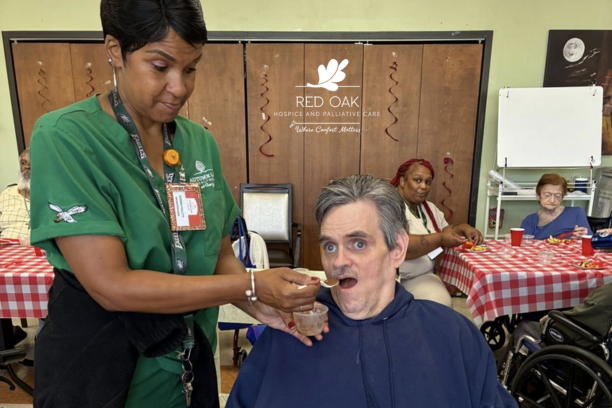
At Red Oak, our care focuses on the quality of life for patients and their caregivers who are experiencing an advanced, life-limiting illness. We believe in the strength of the individual, the significance of family and friends, and the value of respect and dignity that everyone deserves. Our goal in Red Oak is to create a positive difference every day and to create memorable moments that will enrich your life.
For families seeking Bridgeton Hospice and Palliative Care, our team works closely with families, physicians, hospitals, and social service agencies to arrange for smooth and orderly transitions. We provide compassionate care for patients in the last phases of incurable disease so that they may live as fully and comfortably as possible. This commitment ensures that “comfort” is a lived experience, not just a clinical term.
Debunking the Myth: Does Hospice Mean “Giving Up”?
A common industry misconception, one that often prevents families from seeking help, is the idea that entering hospice care means the medical team will use medication to hasten the end of life. In truth, choosing hospice is an act of empowerment. It is a transition in goal-setting that shifts the focus from aggressive treatments, which may be causing more side effects than benefits, to a focus on the highest possible quality of life. Research consistently shows that patients receiving Hospice and Palliative Care Bridgeton services often report higher satisfaction levels because the body is no longer under the extreme stress of painful, unnecessary procedures.
Psychological, Social, and Spiritual Comfort
True comfort is a three-dimensional experience. While a nurse manages the medication, a social worker may be helping a family navigate the complex logistics of end-of-life care. Our team understands the nuances of the local community; for instance, we recently assisted a family in a quiet residential area of Bridgeton, NJ, Hospice and Palliative Care, where the local support system of neighbors became an integral part of the patient’s daily social comfort plan. This level of local integration ensures that our patients never feel isolated or forgotten.
Frequently Asked Questions
What is the difference between hospice and palliative care?
Palliative care can begin at diagnosis and be provided alongside curative treatment. Hospice care is designed for those with a life expectancy of six months or less, where the focus is entirely on comfort.
Where is hospice care provided?
Hospice is a philosophy, not a place. It can be provided in the patient’s home, a nursing home, or an assisted living facility.
How does hospice manage “breakthrough” pain?
Hospice teams provide “as-needed” medications that can be administered quickly by caregivers if a patient experiences a sudden spike in pain between regular doses.
To Sum Up
Red Oak Hospice and Palliative Care provides the professional expertise and compassionate presence required to navigate serious illness with grace. If you or a loved one is facing these challenges, do not wait until a crisis occurs to seek the comfort you deserve. Let us help you create a positive difference today. Contact us today to learn more about our personalized care plans.